Seal Planter STL: Cute Animal Plant Pot
In the evolving world of digital fabrication and home aesthetics, the intersection of utility and whimsy often yields the most compelling results. The Seal Planter STL, a charming example of a Cute Animal Plant Pot, represents more than just a file for a 3D printer; it is a design solution that brings warmth and personality to functional spaces. For creators, hobbyists, and small business owners alike, this specific model offers a unique opportunity to blend the technical precision of additive manufacturing with the emotional resonance of kawaii design. Whether you are looking to enhance your own workspace or seeking a new product line for your print-on-demand shop, understanding the nuances of this design can significantly elevate your creative output.
The Appeal of Kawaii Functional Design
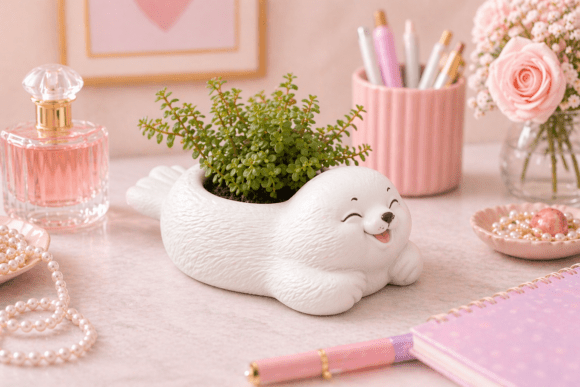
The popularity of animal-shaped planters has surged as people seek to soften their living and working environments. Unlike traditional geometric pots, the Seal Planter STL leverages anthropomorphic features—specifically the soft, rounded shape and happy expression of a seal—to create an immediate emotional connection. This approach aligns with the broader "kawaii" aesthetic, which prioritizes cuteness and approachability. When placed on a desk, this planter does not merely hold a succulent; it acts as a conversation starter and a mood enhancer.
For adults aged 20 to 50, who often balance professional responsibilities with personal hobbies, having a touch of playfulness in one's environment can reduce stress and spark creativity. The design is particularly effective in pastel-themed setups or girly room decor, where color palettes lean towards soft pinks, blues, and lavenders. However, its versatility extends beyond these specific themes. The neutral form of the seal allows it to adapt to various styles, from minimalist Scandinavian desks to eclectic bohemian shelves, provided the color scheme is chosen thoughtfully.
Technical Excellence in 3D Printing
From a technical standpoint, the success of any 3D printed object relies heavily on the quality of the source file. The Seal Planter STL is engineered with practicality in mind, addressing common pain points faced by both beginners and experienced makers. One of the most significant advantages of this model is its optimization for easy printing. The smooth curves and minimal overhangs mean that users rarely need complex support structures, reducing material waste and post-processing time.
This beginner-friendly nature makes it an ideal project for those just starting their journey into 3D printing. The design works exceptionally well with PLA (Polylactic Acid), a biodegradable thermoplastic derived from renewable resources like corn starch. PLA is favored for its ease of use, low warping potential, and wide range of vibrant colors, all of which complement the cute aesthetic of the seal pot. Furthermore, the model scales effectively, allowing users to experiment with different sizes without compromising the structural integrity or the visual appeal of the final print.
Optimizing Your Print Settings
To achieve the best results, attention to detail during the slicing process is crucial. Since the design features smooth curves, using a layer height between 0.1mm and 0.2mm will ensure that the surface finish remains clean and free of visible stair-stepping artifacts. For those aiming to sell these items or give them as high-quality gifts, enabling a higher infill percentage (around 20-30%) can add necessary durability while keeping weight manageable. Additionally, because the planter is designed to hold soil and water, ensuring a watertight bottom is essential. A brim or raft can be used if adhesion issues arise, but the flat base of the seal typically adheres well to standard heated beds.
Creative Applications and Customization
The true power of the Seal Planter STL lies in its adaptability. While the base design is fixed, the possibilities for customization are nearly endless. Creators can modify the texture, add accessories, or combine multiple models to create unique installations. For instance, adding a tiny scarf or hat to the seal's head can transform it into a seasonal decoration, perfect for holidays or themed events. This level of personalization is highly valued in the maker community and can serve as a key differentiator for entrepreneurs selling custom prints.
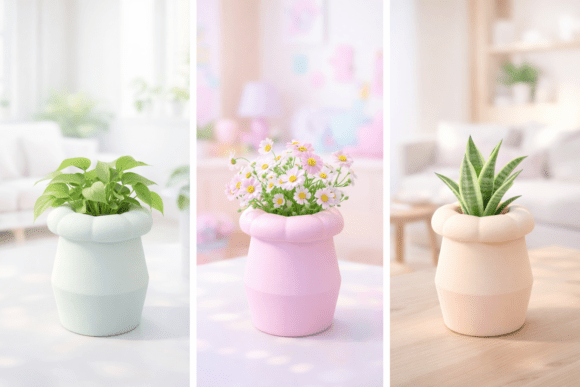
Beyond physical modifications, the choice of plant plays a vital role in the overall aesthetic. The pot is specifically sized for small plants like succulents, cacti, and air plants. These choices are not only visually harmonious with the compact size of the seal but also practical for indoor environments where space is limited. Succulents, with their varied textures and colors, provide a striking contrast to the smooth plastic of the planter, creating a balanced composition that appeals to plant lovers and interior design enthusiasts alike.
Ideas for Different Audiences
- For Educators: Use the planter as a hands-on tool to teach students about biology, geometry, and 3D modeling. Students can learn how to slice files, understand layer adhesion, and care for living organisms simultaneously.
- For Small Business Owners: Offer the Seal Planter STL as part of a "desk wellness" bundle, pairing the printed pot with a curated selection of hardy succulents and care instructions. This adds value and creates a ready-to-gift package.
- For Interior Designers: Incorporate these planters into client projects to add a pop of character to sterile office spaces or modern apartments. They serve as affordable yet impactful accent pieces.
- For Hobbyists: Experiment with multi-color filament switching to create gradient effects on the seal's body, or paint the finished print with acrylics for a handcrafted look.
Building a Cohesive Collection
When integrating the Seal Planter STL into a larger collection or room setup, consistency is key. To maintain a clear and organized aesthetic, consider grouping similar items together. A cluster of three seal planters in varying sizes, each holding a different type of succulent, creates a dynamic focal point that draws the eye without overwhelming the space. This approach demonstrates an understanding of scale and rhythm, principles that are fundamental to good design.
Furthermore, the lighting in the room can dramatically affect how the planter is perceived. Soft, warm lighting enhances the friendly expression of the seal, making it appear even more inviting. In contrast, harsh overhead lighting might cast unflattering shadows, detracting from the smooth curves. By paying attention to these environmental factors, users can ensure that their creative efforts result in a cohesive and visually pleasing outcome.
Practical Tips for Longevity and Care
While 3D printed objects are durable, they require some care to maintain their appearance over time, especially when used as planters. Since PLA is not inherently waterproof, prolonged exposure to moisture can eventually degrade the material. To mitigate this, it is recommended to apply a sealant to the interior of the pot before planting. Clear epoxy resin or a specialized ceramic glaze can provide a protective barrier, extending the life of the planter and preventing leaks.
Additionally, regular cleaning helps preserve the vibrant colors and smooth finish. Dust accumulation can dull the cheerful expression of the seal, so a gentle wipe with a damp cloth is sufficient to keep it looking fresh. For those who plan to reuse the planter for different plants, allowing the soil to dry completely and thoroughly cleaning the interior prevents mold growth and ensures a healthy environment for the next plant.
Conclusion: Bringing Personality to Your Prints
The Seal Planter STL exemplifies how thoughtful design can merge functionality with emotion. It is more than a simple container; it is a testament to the creativity possible through 3D printing. Whether you are a seasoned designer looking for a new challenge or a beginner eager to make something tangible, this Cute Animal Plant Pot offers a rewarding experience. By focusing on quality materials, thoughtful customization, and proper care, you can bring a touch of cuteness and joy to any space. As the maker community continues to grow, projects like this remind us that technology, when applied with heart, can create objects that truly resonate with people.