Layered Duck Hunting Laser Cut File SVG: A Practical Review
The intersection of traditional craftsmanship and digital design has created a new category of decorative art that resonates deeply with the outdoor community. The Layered Duck Hunting Laser Cut File SVG represents a significant step forward in this niche, offering creators a sophisticated template for producing multi-dimensional wall art. Unlike standard flat vector graphics, this file is engineered to produce a shadow box effect, where depth and layering transform a simple silhouette into a narrative scene. For professionals in the laser cutting industry, small business owners specializing in rustic decor, or serious hobbyists looking to elevate their portfolio, understanding the utility and execution of this specific asset is essential.
Understanding the Design Architecture
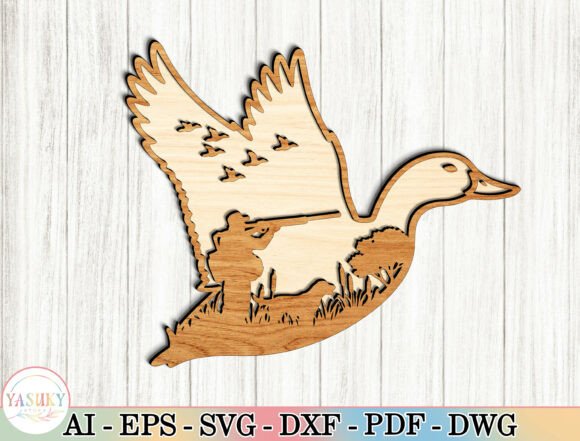
At its core, the Layered Duck Hunting Laser Cut File SVG is not merely an image; it is a structural blueprint. The design centers on a majestic mallard in flight, serving as the outer boundary of the artwork. However, the true complexity lies within the negative space. Inside the duck's silhouette, the file maps out a detailed hunting scene featuring a hunter aiming a shotgun, a loyal hunting dog, cattails, and a distant flock. This "scene-within-a-scene" approach requires precise engineering to ensure that when cut from wood or acrylic, the layers align perfectly without visual clutter.
The file typically consists of approximately four distinct layers. Each layer serves a specific function in building the three-dimensional illusion. The outermost layer provides the recognizable shape, while subsequent inner layers add depth, texture, and focal points. This architecture demands high-precision cut lines, score lines for folding (if applicable), and engrave paths for texturing. The result is a piece that captures the spirit of the hunt through physical depth rather than just two-dimensional illustration. For anyone evaluating this resource, the primary value proposition is the elimination of manual design work usually required to create such complex nesting effects.
Material Compatibility and Technical Specifications
One of the most critical factors in assessing the viability of any laser cut file is its adaptability to various materials. The Layered Duck Hunting Laser Cut File SVG is optimized for thicknesses commonly found in workshop environments, specifically 1/8 inch (3mm) or 1/4 inch (6mm) stock. This range covers the vast majority of hardwoods, MDF, and acrylic sheets used in professional and hobbyist settings.
- Wood and MDF: These materials are ideal for achieving a rustic aesthetic. The file's intricate details translate well into natural wood grains, especially when stained. The contrast between the dark stain and the lighter wood highlights the layered effect effectively.
- Acrylic: For a modern twist, the design works exceptionally well with colored acrylic. The translucency of the material allows light to pass through the gaps between layers, enhancing the shadow box effect in a way opaque wood cannot.
- Scalability: A robust feature of this SVG file is its scalability. Whether the goal is a small desk ornament or a large focal point for a lodge wall, the vector nature of the file ensures that lines remain crisp and proportions stay accurate at any size.
However, users must consider the limitations of their specific laser equipment. Intricate internal scenes require sufficient power to cut through thicker materials without burning the edges. When working with 1/4 inch wood, multiple passes may be necessary, which can increase production time and heat buildup. Proper ventilation and air assist are mandatory to maintain the integrity of the fine details within the hunter and dog silhouettes.
Evaluation of Usability and Workflow Integration
From a workflow perspective, the Layered Duck Hunting Laser Cut File SVG offers a streamlined process for creating high-value products. The separation of layers is typically organized logically within the software environment, allowing for efficient nesting and material optimization. This reduces waste, a crucial consideration for businesses managing raw material costs.
The inclusion of score and engrave lines adds versatility. Engraving can be used to add texture to the water, feathers, or foliage, adding another dimension of realism without increasing the number of physical layers. This capability allows creators to customize the final look significantly. For instance, a creator might choose to leave the background layers plain for a minimalist look or heavily engrave them for a dramatic, high-contrast finish.
Despite these strengths, there is a learning curve involved in assembly. Achieving the perfect alignment of four or more layers requires precision jigs or careful marking. If the layers are even slightly misaligned, the illusion of depth breaks, and the scene can appear disjointed. Therefore, while the file simplifies the cutting phase, it places a premium on the post-processing and assembly skills of the maker. It is not a "cut and forget" product; it demands attention to detail during construction.
Market Position and Target Audience
The demand for personalized, handcrafted home decor remains robust, particularly within the hunting and outdoor lifestyle sectors. The Layered Duck Hunting Laser Cut File SVG targets a specific demographic: adults aged 20 to 50 who appreciate traditional aesthetics but seek modern presentation. This includes hunters, outdoorsmen, and nature lovers who wish to display their passion in their man caves, cabins, offices, or living rooms.
For small business owners and Etsy sellers, this design fills a gap in the market for unique, non-mass-produced items. While generic hunting signs are ubiquitous, a multi-layered shadow box offers a premium alternative that commands a higher price point. The complexity of the build acts as a barrier to entry for competitors using simpler designs, thereby protecting the value of the finished product.
Additionally, the file serves as an excellent educational tool for those learning advanced laser techniques. By working through the layers, score lines, and engraving paths, beginners can gain practical experience in handling complex vector files and managing material tolerances. The realistic examples provided by the design—such as the interaction between the hunter, dog, and environment—offer a tangible benchmark for quality control.
Long-Term Value and Limitations
When considering long-term value, the Layered Duck Hunting Laser Cut File SVG proves to be a versatile asset. Its timeless theme ensures that the design will not quickly fall out of fashion. Furthermore, the ability to scale the design means a single purchase can yield products ranging from small gifts to large statement pieces, maximizing the return on investment.
However, potential buyers should be aware of certain limitations. The intricate nature of the internal scene means that very thin materials may lack the structural rigidity needed to hold the layers apart effectively, potentially leading to warping over time. Conversely, extremely thick materials may obscure the finer details if the laser kerf is not accounted for in the design. Additionally, the assembly process is labor-intensive compared to single-layer cuts, which impacts the overall profit margin per hour of labor.
In conclusion, the Layered Duck Hunting Laser Cut File SVG is a powerful resource for those equipped with the right tools and skills. It bridges the gap between digital convenience and artisanal craftsmanship, offering a path to create meaningful, high-quality decor. While it requires a commitment to precision in both cutting and assembly, the resulting product stands out as a superior choice for enthusiasts and professionals alike. For anyone looking to expand their catalog with a piece that tells a story through depth and detail, this file delivers consistent, reliable results.