Eagle Layered Shadow Box SVG: A Practical Evaluation
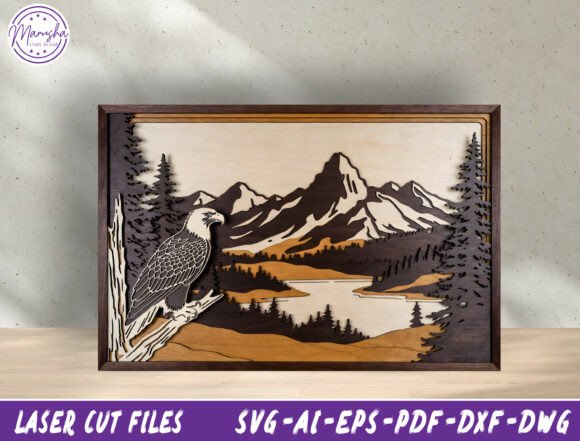
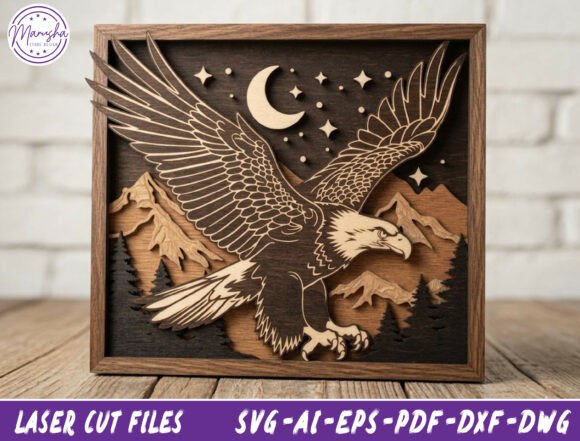
The Eagle Layered Shadow Box SVG represents a specific category of digital design files intended for physical fabrication. Unlike standard flat vector graphics used for simple vinyl cutting, this file format is engineered to create depth through multiple distinct layers. When assembled, these layers produce a three-dimensional shadow box effect, typically featuring a majestic bald eagle soaring over a mountain landscape under a moonlit night sky. For crafters and makers utilizing laser cutters or CNC machines, understanding the technical requirements and aesthetic outcomes of such designs is essential before committing to a project.
Understanding the Design Structure
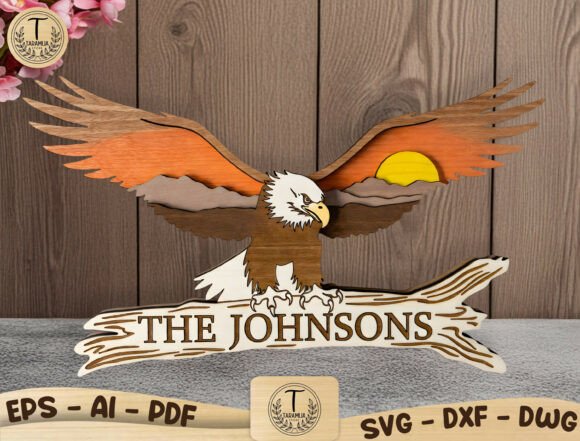
At its core, an Eagle Layered Shadow Box SVG is not a single image but a collection of nested vector paths. The design usually separates elements such as the eagle's feathers, pine trees, mountain ridges, stars, and the background frame into individual files or layers within a single document. This separation allows each piece to be cut from different materials or depths of material to create a sense of perspective.
The "shadow box" aspect relies on the physical stacking of these cut pieces inside a deep frame or casing. Light interacts with the gaps between the layers, casting shadows that enhance the perception of depth. The intricate feather details and the layered forest background are specifically optimized for this technique, ensuring that when viewed from the front, the composition appears cohesive rather than disjointed.
Reasons to Consider This Format
Crafters often seek out the Eagle Layered Shadow Box SVG for several practical reasons related to the final product's visual impact and marketability. The primary driver is the ability to create premium-looking wall art without needing advanced sculpting skills. The 3D effect achieved through layering adds a tactile and visual dimension that flat prints or single-layer cuts cannot replicate.
Additionally, the subject matter—featuring patriotic symbols like the bald eagle combined with rustic elements like pine trees and mountains—aligns well with specific interior design trends. This makes the design particularly relevant for:
- Rustic and Cabin Decor: The natural motifs fit seamlessly into lodge-style interiors.
- Patriotic Displays: The bald eagle is a recognized symbol of national pride, making it suitable for themed rooms or gifts.
- Wildlife Enthusiasts: The detailed rendering appeals to those who appreciate nature photography and art.
For hobbyists using machines like Glowforge, Cricut (with specific attachments), or desktop CNC routers, having a clean, cut-ready vector file reduces the time spent on manual tracing or path optimization. The inclusion of various file formats such as SVG, AI, EPS, DXF, and DWG ensures compatibility across a wide range of software platforms, from Adobe Illustrator to dedicated machine drivers.
Benefits and Tradeoffs
While the potential for high-quality output is significant, there are tradeoffs involved in working with multi-layered shadow box designs compared to simpler projects.
Benefits:
- Aesthetic Depth: The multi-layer approach creates a sophisticated look that mimics professional gallery art.
- Material Versatility: These designs can be executed in wood, MDF, plywood, and acrylic, allowing for customization based on budget and desired finish.
- Customization Potential: Since the files are vectors, users can resize the artwork or adjust specific layers to fit unique frame dimensions.
Tradeoffs and Considerations:
- Time Investment: Cutting, sanding, and assembling multiple layers takes significantly longer than producing a single-layer sign. Each layer must be perfectly aligned during assembly.
- Material Consumption: Because every element is cut separately, this method uses more raw material than a single-pass engraving or cut.
- Assembly Complexity: Achieving a flush, professional finish requires precision. Misalignment of even a millimeter can ruin the illusion of depth.
Situational Fit: When Is This the Right Choice?
The Eagle Layered Shadow Box SVG is a strong fit for specific scenarios where the end goal justifies the additional effort.
High-End Gifting: If the objective is to create a memorable gift for a cabin owner, a veteran, or a wildlife lover, the extra time invested in layering yields a result that feels bespoke and valuable.
Commercial Production: For small businesses selling handmade decor, the 3D shadow box style commands a higher price point than flat signage. The perceived value of the finished product often offsets the increased production time.
Advanced Hobbyists: Makers who already own a laser cutter or CNC machine and have experience with nesting and alignment will find this design a rewarding challenge that utilizes their equipment's full capabilities.
When Alternatives May Be Preferable
Despite its advantages, the Eagle Layered Shadow Box SVG may not be the optimal choice for every situation. Readers should consider alternatives if:
Time is Critical: If a project needs to be completed quickly, the assembly process of a multi-layer design can be prohibitive. In such cases, a single-layer silhouette or a direct engraving on a solid block of wood might be more efficient.
Budget Constraints: Multi-layer projects consume more material. If raw material costs are a primary concern, a design that utilizes negative space or engraving techniques might be more economical.
Lack of Equipment Precision: If the available cutting machine struggles with fine detail or consistent alignment, the intricate feather details of the eagle may not render correctly. In this scenario, a simpler, bolder design would yield better results.
Beginner Skill Level: While the files are "cut-ready," the assembly process requires patience and steady hands. Beginners might find the frustration of aligning dozens of small parts discouraging compared to simpler projects.
Practical Decision-Making Insights
To determine if the Eagle Layered Shadow Box SVG aligns with your goals, evaluate your current workflow and resources. First, assess your machine's capability to handle the specific thickness of the material you intend to use. Thicker materials provide better depth but require more power and precise kerf compensation settings.
Second, consider the framing solution. A shadow box design requires a frame with sufficient depth to house all the layers without them touching the glass or backing. Standard picture frames are often too shallow; specialized deep frames or custom-built wooden boxes are necessary.
Finally, review the included file formats against your software stack. While the bundle offers SVG, AI, EPS, PDF, DXF, and DWG, ensure your design software can handle the complexity of nested layers without crashing or distorting paths. Testing a small section of the design before cutting the entire set is a prudent step to verify quality and alignment.
In conclusion, the Eagle Layered Shadow Box SVG is a powerful tool for creating striking, three-dimensional wall art. It excels in situations where visual impact and perceived value are prioritized over speed and material efficiency. By carefully weighing the benefits of depth against the demands of assembly and resource usage, makers can decide whether this complex design serves their specific creative or commercial objectives.