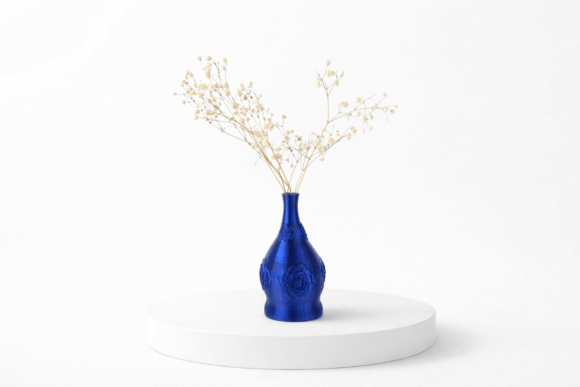
Decorative 3D Rose Vase STL 3D Model for 3D Print
The landscape of home aesthetics is shifting away from mass-produced uniformity toward personalized, tactile objects that tell a story. At the forefront of this movement is the Decorative 3D Rose Vase STL 3D Model for 3D Print, a digital file designed to transform raw filament into an elegant vessel for dry floral arrangements. This model represents more than just a geometric shape; it is a bridge between digital design and physical craftsmanship, offering creators a sophisticated option for interior styling without the need for traditional pottery skills or expensive kilns.
In an era where consumers increasingly value sustainability and unique design narratives, the ability to fabricate custom decor at home has become a significant lifestyle trend. The Decorative Rose Vase – 3D Print Model For Dry Flowers capitalizes on this demand by providing a clean, scalable geometry that features a subtle rose motif. Unlike generic containers found in big-box stores, this vase allows for infinite customization through color choice, material selection, and scale, making it a versatile asset for designers, hobbyists, and small business owners alike.
The Evolution of Digital Craftsmanship in Home Decor
For decades, the creation of ceramic or glass vases was the domain of specialized artisans requiring years of training and costly equipment. Today, additive manufacturing has democratized this process. The rise of affordable FDM (Fused Deposition Modeling) printers has enabled a new wave of creators to produce high-quality decorative items in their own workshops. The Decorative 3D Rose Vase STL 3D Model for 3D Print fits squarely into this evolution, representing a shift from "making do" with available store-bought items to "making exactly what you want."
This shift reflects broader changes in consumer behavior. People are no longer satisfied with disposable trends; they seek objects that offer longevity and personal meaning. A 3D printed vase serves as a conversation starter, showcasing the owner's engagement with modern technology and design. Furthermore, the specific focus on dry flowers aligns with a growing appreciation for low-maintenance, enduring beauty. Dried botanicals have seen a resurgence in popularity, favored for their rustic charm and permanence, yet finding a container that complements their delicate texture can be challenging. This model solves that problem by offering a form that enhances rather than overwhelms the arrangement.
Why Dry Flowers Require Specialized Containers
It is crucial to understand the specific utility of this design. The Decorative Rose Vase – 3D Print Model For Dry Flowers is engineered explicitly for non-water applications. Standard 3D printing filaments like PLA, PETG, and even ABS are not inherently watertight due to the microscopic gaps between layers. Attempting to use this vase with fresh flowers and water would likely result in leakage and structural degradation over time.
However, this limitation is actually a design feature for its intended purpose. Dry flower arrangements—featuring preserved roses, lavender, pampas grass, or eucalyptus—do not require hydration. By removing the need for waterproofing, the design prioritizes aesthetic detail and structural integrity. The subtle rose pattern embossed on the surface adds texture and visual interest that catches the light beautifully, creating a focal point on a desk, mantel, or side table. This specificity ensures that users get the best possible result: a durable, stylish holder that perfectly matches the lifespan of dried botanicals.
Practical Implications for Creators and Professionals
For the individual maker, the value of this STL file lies in its flexibility. The download includes two distinct printing profiles, a thoughtful inclusion that addresses the common trade-off between print speed and surface finish. One profile is optimized for rapid production, ideal for those who need to create multiple units quickly or are testing different colors. The second profile focuses on detail and quality, utilizing settings that minimize layer lines and maximize the definition of the rose texture.
This dual-profile approach is particularly relevant for professionals such as Etsy sellers, boutique decorators, or event planners who incorporate 3D printed elements into their services. These users often face tight deadlines but cannot compromise on the final look of their products. Having the option to switch between speed and quality within the same model file streamlines the workflow significantly. It eliminates the guesswork involved in slicing parameters, allowing the creator to focus on post-processing and presentation.
Scalability and Material Versatility
Another critical advantage of the Decorative 3D Rose Vase STL 3D Model for 3D Print is its scalability. The model features clean geometry that resists distortion when resized, enabling users to adapt the vase to various spatial requirements. Whether you need a petite version for a compact office desk or a grand statement piece for a living room console, the file can be adjusted in any standard slicer software without losing its proportional harmony.
This versatility extends to material choice as well. While PLA is a popular starting point due to its ease of printing and wide range of colors, the model is equally suitable for PETG, which offers greater heat resistance and durability. For those seeking a premium finish, materials like Silk PLA or wood-fill filaments can dramatically alter the vase's character, giving it a metallic sheen or a natural, organic warmth that pairs exceptionally well with dried flora. This ability to experiment with materials turns a single digital file into a limitless array of physical products.
Optimizing Your Print for Maximum Elegance
To truly unlock the potential of this design, attention to print settings is essential. While the included profiles provide a solid foundation, fine-tuning your slicer can elevate the final product from "good" to "gallery-worthy." The most impactful adjustment involves layer height. For improved surface quality, consider printing with a lower layer height, such as 0.12mm or 0.15mm instead of the standard 0.2mm. This reduction smooths out the vertical transitions, making the subtle rose design appear more fluid and less stepped.
Furthermore, the orientation of the print plays a vital role in the vase's structural strength and appearance. Printing the vase upright generally preserves the integrity of the vertical lines and the rose relief. However, if using a support-heavy strategy is undesirable, some advanced users might explore laying the object down, though this requires careful consideration of how supports will interact with the delicate floral details. Regardless of the method, ensuring a consistent flow rate and proper temperature control will prevent stringing and oozing, which can mar the clean lines of the design.
Post-Processing for a Professional Finish
Once the print is complete, minimal post-processing is often required, but a few simple steps can make a significant difference. Light sanding with fine-grit sandpaper can remove any minor layer lines on the rim or base, ensuring a smooth touch. For those using matte filaments, a light coat of clear acrylic spray can add depth and protect the surface from dust accumulation. If a glossy, ceramic-like look is desired, chemical smoothing (using acetone for ABS or specific solvents for other compatible filaments) can be applied, though care must be taken not to melt the fine details of the rose pattern.
The final result is a robust, aesthetically pleasing object that serves a clear function while adding a touch of sophistication to any environment. It stands as a testament to the capabilities of modern desktop manufacturing, proving that functional art does not require industrial facilities to achieve.
Integrating 3D Printed Art into Modern Spaces
The integration of 3D printed objects into home and office decor is no longer a niche hobby; it is a recognized design trend. The Decorative 3D Rose Vase STL 3D Model for 3D Print fits seamlessly into contemporary interiors characterized by minimalism, biophilic design, and artisanal touches. Its clean lines and organic motifs complement both modern Scandinavian styles and eclectic bohemian setups.
For business owners and entrepreneurs, these vases offer a tangible way to brand a space. Imagine a reception area adorned with custom-printed vases in a company's signature color, holding dried greenery. Or consider a wedding planner using these vessels as part of a cohesive, eco-friendly decor package for an event. The ability to produce these items on-demand reduces inventory costs and waste, aligning with the values of modern, conscious businesses.
Ultimately, the appeal of this model lies in its accessibility and elegance. It invites users to engage with the creative process, transforming a digital file into a cherished physical object. Whether used as a gift for a friend who loves gardening, a centerpiece for a dinner party, or a daily reminder of creativity on a workspace, the Decorative Rose Vase – 3D Print Model For Dry Flowers delivers value that extends far beyond its material cost. It is a practical solution for the modern decorator, blending technology, art, and functionality into a single, beautiful form.