Easter Egg Candy Dome: A Practical Evaluation
The intersection of digital design and tangible craft has created a new standard for holiday decor, moving away from mass-produced items toward personalized, high-effort creations. The Easter Egg Candy Dome 3D SVG represents a specific niche within this landscape, offering a structured approach to creating dimensional paper art that serves both aesthetic and functional purposes. For professionals managing event logistics, educators planning classroom activities, or small business owners curating party favors, understanding the mechanics and potential of this digital asset is essential before integrating it into a workflow.
This resource is not merely a decorative template; it is an engineered papercraft solution designed to house a physical object—a candy dome—within a layered paper structure. By combining intricate cut lines with a clear structural purpose, the Easter Egg Candy Dome allows creators to transform flat cardstock into a three-dimensional vessel. This capability addresses a common pain point in event planning: finding unique, cost-effective ways to present treats without sacrificing visual impact.
Structural Integrity and Design Mechanics
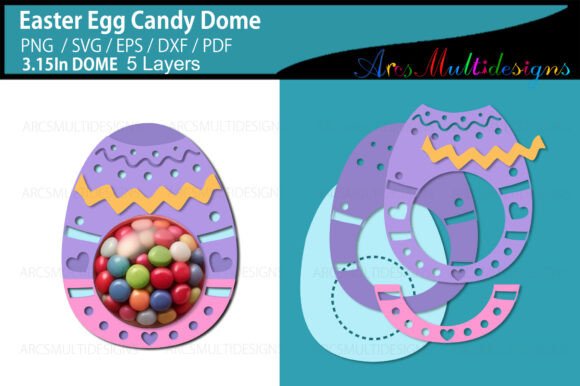
The primary value proposition of the Easter Egg Candy Dome lies in its multi-layered construction. Unlike single-cut silhouettes that offer limited depth, this design utilizes five distinct layers of colorful cardstock. This layering technique is critical for achieving a high-quality, dimensional egg shape that stands up to handling and transport. In practical applications, the thickness provided by multiple layers prevents the final product from appearing flimsy, a common issue with simpler papercraft projects.
The design incorporates specific decorative elements such as zig-zags and heart cutouts. These are not random embellishments but strategic choices that enhance the visual texture of the piece. When stacked, these cutouts create negative space that adds complexity to the silhouette, allowing light to interact with the layers and emphasizing the spring-inspired palette often associated with Easter. For a creator evaluating this file, the precision of these cut lines is paramount. If the SVG paths are poorly defined, the assembly process becomes frustrating, leading to misaligned layers and a compromised final look. The Easter Egg Candy Dome 3D SVG appears to prioritize this alignment, ensuring that each layer nests correctly to form a cohesive unit.
A key functional aspect is the integration of the candy container. The design is specifically calibrated to accommodate a 3.15-inch dome. This specificity is a double-edged sword; while it ensures a perfect fit for standard containers, it requires the user to source the correct hardware. However, from a usability standpoint, this constraint simplifies the design process. The creator does not need to guess dimensions or modify the file to fit various sizes. The clear view of the candies inside remains unobstructed, turning the treat itself into part of the decoration. This transparency is vital for party favors, where the immediate visual appeal of the contents often drives the recipient's excitement.
File Compatibility and Workflow Integration
For professionals utilizing cutting machines like Cricut, Silhouette, or professional plotters, file format compatibility is non-negotiable. The Easter Egg Candy Dome package includes PNG, SVG, EPS, DXF, and PDF formats. This comprehensive suite ensures that the asset can be integrated into almost any existing design workflow. Whether a user prefers vector editing software like Adobe Illustrator or CorelDraw, or they rely on proprietary machine software, the likelihood of encountering conversion errors is minimized.
The inclusion of SVG (Scalable Vector Graphics) is particularly important for maintaining quality at different scales. While the design is optimized for the 3.15-inch dome, having a scalable vector file allows for minor adjustments if necessary, though significant resizing could compromise the structural integrity of the layers. The EPS and DXF formats further extend the utility of the file, making it accessible to users who may work in CAD environments or require high-resolution output for large-format printing. This versatility makes the Easter Egg Candy Dome a robust choice for freelancers who must adapt quickly to client specifications or varying equipment capabilities.
It is crucial to note that this is a digital file download. No physical product is shipped. This distinction shifts the responsibility of material selection and production entirely to the user. For those accustomed to purchasing finished goods, this requires a shift in mindset. However, for entrepreneurs and serious hobbyists, it offers significant advantages in cost control and customization. Users can print at home using high-quality inkjet printers or upload files to professional photo labs for superior color accuracy and paper density. This flexibility allows the creator to match the project budget, whether producing a single prototype or a batch of fifty for a corporate event.
Aesthetic Versatility and Customization
The example presentation of the Easter Egg Candy Dome utilizes a vibrant, spring-inspired palette featuring purple, yellow, teal, and pink. While these colors align perfectly with traditional Easter themes, the true strength of the design lies in its adaptability. Because the file separates the layers, users can mix and match cardstock colors to suit specific branding requirements or alternative seasonal themes. A wedding planner might opt for pastels and metallics, while a corporate team building event might utilize company colors.
This customization capability extends beyond color. The layered nature of the design invites experimentation with different paper textures, such as patterned cardstock, glitter paper, or even recycled materials for an eco-friendly angle. The ability to tailor the aesthetic without altering the core structural file means the Easter Egg Candy Dome can serve as a versatile base for various creative directions. This is particularly valuable for marketers and bloggers who need content that feels fresh and unique for each campaign or post.
Real-World Application and Limitations
In real-world scenarios, the Easter Egg Candy Dome performs best when the end-user has access to basic crafting tools: a cutting machine, a scoring tool, and adhesive. The assembly process, while rewarding, requires patience. Aligning five layers precisely takes time, which may be a limiting factor for large-scale productions requiring rapid turnaround. For a small business owner preparing for a busy season, the labor intensity should be factored into pricing or scheduling.
Furthermore, the reliance on a specific 3.15-inch dome means that inventory management is required. If the chosen candy domes are out of stock, the paper components cannot be used as intended. This supply chain dependency is a realistic consideration for anyone planning to use this design commercially. However, for personal use or small batches, this limitation is easily managed by sourcing the domes well in advance.
The durability of the final product depends heavily on the quality of the cardstock used. Thin paper may warp or tear during assembly, while heavy cardstock might resist folding along the score lines. Selecting the appropriate weight—typically 65lb to 80lb cardstock—is essential for achieving the intended crispness and longevity. Once assembled, the structure is relatively sturdy, capable of being handled gently as a party favor or displayed as a standalone decoration.
Ideal Audience and Strategic Value
The Easter Egg Candy Dome is most beneficial for individuals and organizations that value customization over convenience. Educators can use it to teach geometry, layering techniques, and fine motor skills while creating engaging classroom rewards. Event planners can leverage it to provide unique, branded favors that stand out from generic store-bought options. Small business owners selling handmade goods can incorporate these domes into their product lines, adding a tactile, high-perceived-value element to their offerings.
For freelancers and designers, the file serves as a reliable asset that can be adapted for various clients without the overhead of physical inventory. The ability to produce on-demand reduces waste and storage costs, aligning with modern sustainable business practices. The professional quality of the vector files ensures that the output meets the standards expected by discerning clients who appreciate attention to detail.
Ultimately, the Easter Egg Candy Dome 3D SVG is a practical tool for those willing to invest time in the creation process to achieve a superior result. It bridges the gap between digital design and physical craft, offering a structured yet flexible solution for holiday presentations. By understanding its mechanical requirements, file capabilities, and aesthetic potential, users can effectively integrate this resource into their creative workflows, delivering memorable and visually striking experiences for their audiences.