3D Multilayered Soccer Tray Laser Cut: A Practical Evaluation
The 3D Multilayered Soccer Tray Laser Cut represents a specific niche within the realm of custom woodworking and laser cutting projects. It is not merely a flat serving board but a complex, engineered design that utilizes a step-up construction method to create significant visual depth. By stacking multiple layers of material, this design transforms a standard two-dimensional graphic into a tangible, three-dimensional object. For hobbyists, small business owners, and crafters evaluating new product lines, understanding the mechanics, materials, and practical applications of this specific design is essential before committing time and resources to production.
Understanding the Design Architecture
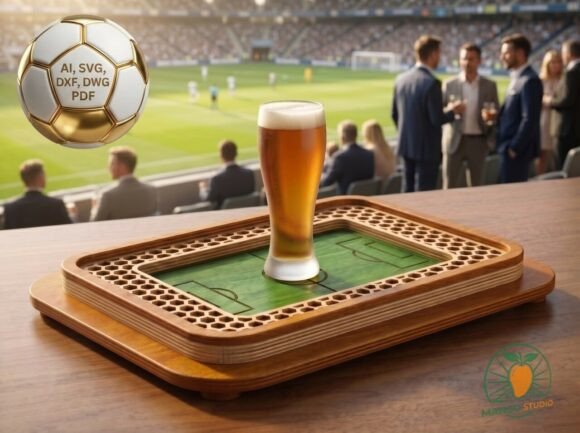
The core appeal of the 3D Multilayered Soccer Tray lies in its sophisticated layering system. Unlike single-layer cutouts which rely solely on surface engraving for detail, this design employs a five-layer stack to achieve its aesthetic. The structure typically consists of a substantial base, internal decorative layers, and a finishing rim. This approach creates a "floating" effect where the top surface appears elevated above the main body, offering a high-end look that mimics professional display cases or architectural models.
The technical specifications are precise to ensure structural integrity and visual alignment. The base layer measures approximately 467 x 300 mm (roughly 18.4 x 11.8 inches), providing a generous surface area suitable for serving snacks or displaying memorabilia. The design is optimized for specific wood thicknesses: a thicker base ranging from 6 to 10 mm, internal layers at 4 mm, and a top rim at 6 mm. This variation in thickness is critical; it allows the internal layers to nest perfectly without creating excessive gaps, while the thicker base provides the necessary weight and stability for a functional tray.
Key Features and Functional Benefits
Evaluating this project requires looking at the specific features that distinguish it from simpler alternatives. The most prominent feature is the detailed engraving capability. The design includes precise laser-scoring for pitch markings and deep-engraving for goal areas. This level of detail is difficult to achieve with hand tools alone, making the laser cutter an essential component for high-quality results. The contrast between the engraved lines and the natural wood grain adds a layer of sophistication that appeals to sports enthusiasts and interior design-conscious consumers.
Another significant aspect is the honeycomb lattice found in the intricate decorative middle layer. This element serves a dual purpose: it enhances the modern sports-lounge aesthetic and reduces the overall weight of the piece slightly without compromising strength. Furthermore, the inclusion of corner disc-feet contributes to the floating effect, elevating the tray off the table surface. This prevents moisture damage to furniture and adds an elegant touch that separates this item from mass-produced plastic trays.
Material Considerations and Production Flexibility
One of the primary advantages of the 3D Multilayered Soccer Tray Laser Cut design is its versatility regarding production methods. While the name suggests laser cutting, the base layer is designed with flexibility in mind. It can be easily cut using a handheld jigsaw if a laser machine is unavailable, though the precision of the internal layers will still require a laser or CNC router. This hybrid approach lowers the barrier to entry for makers who may have limited equipment.
However, material selection remains a critical decision point. The design is optimized for birch plywood, which offers excellent stability and a clean edge finish when lasered. Using thicker plywood for the base, specifically in the 6-8 mm or 8-10 mm range, is highly recommended to achieve the premium feel associated with the design. Thinner materials may result in a flimsy product that lacks the perceived value of a solid serving tray. Conversely, using materials that are too thick without adjusting the file settings can lead to burning issues during the laser cutting process or difficulty in assembly.
Situational Fit and Target Audience
This design is a strong fit for several specific scenarios. For creators looking to expand their portfolio into home decor, the soccer theme taps into a passionate demographic. Fans often seek unique gifts for birthdays, housewarmings, or retirement parties that reflect their interests. The 3D nature of the tray makes it a standout gift compared to standard mugs or t-shirts. Additionally, sports bars, man caves, and themed lounges may find this item useful as a functional centerpiece that reinforces their brand identity.
It is also well-suited for educational workshops focusing on multi-axis laser cutting and assembly techniques. The requirement to align five different layers provides an excellent learning opportunity for students to understand tolerances, nesting, and the importance of material thickness in final product quality. For those interested in selling digital files, the availability of formats such as SVG, DXF, AI, and CDR makes it accessible to a wide range of software users, increasing its marketability as a digital product.
Tradeoffs and Alternative Considerations
Despite its benefits, there are tradeoffs to consider. The primary drawback is the complexity of assembly. Aligning five layers precisely requires patience and potentially the use of clamps or adhesives that do not interfere with the fit. If the layers are not perfectly aligned, the visual depth effect is compromised, leading to a lower-quality final product. This increases the time investment per unit compared to a single-layer cut.
Furthermore, the cost of materials is higher due to the volume of wood required. A single tray consumes significantly more plywood than a flat coaster or sign. For producers operating on tight margins, this increased material cost must be factored into the pricing strategy. If the target market is price-sensitive, a simpler, single-layer design with deep engraving might be a more viable alternative. Similarly, if the intended use involves heavy outdoor exposure, untreated wood may warp over time, suggesting that sealed acrylic or metal alternatives could be more durable, albeit lacking the warm aesthetic of wood.
Decision-Making Insights
Before proceeding with the 3D Multilayered Soccer Tray Laser Cut, potential creators should assess their equipment capabilities and target audience expectations. If you possess a laser cutter capable of handling 10 mm plywood and have the space for precise assembly, this design offers a high-value product with a distinct competitive edge. The ability to offer a "premium" feel through the 5-layer stack justifies a higher price point, provided the execution is flawless.
However, if your workflow prioritizes speed and low material costs, or if your customers prefer minimalist designs, this project may not align with your goals. The intricate honeycomb lattice and multiple rims add production time that must be balanced against potential revenue. Ultimately, the decision to adopt this design should hinge on whether you aim to produce high-margin, artisanal pieces or high-volume, budget-friendly items. For those seeking to elevate their craft with professionally engineered aesthetics, the 3D Multilayered Soccer Tray offers a compelling solution, provided the complexities of multi-layer construction are managed effectively.