3D Forest Deer Shadow Box Laser Cut Svg: Bringing Woodland Depth to Modern Craft
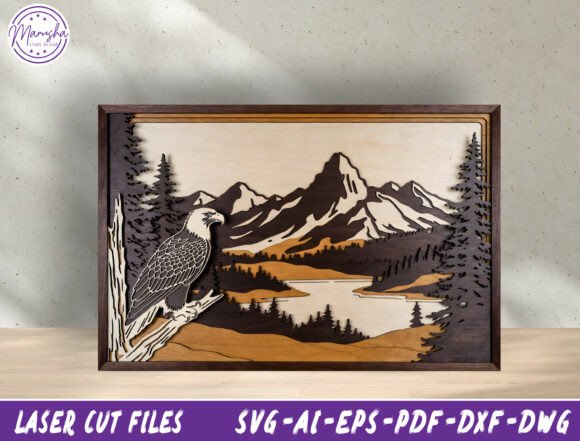
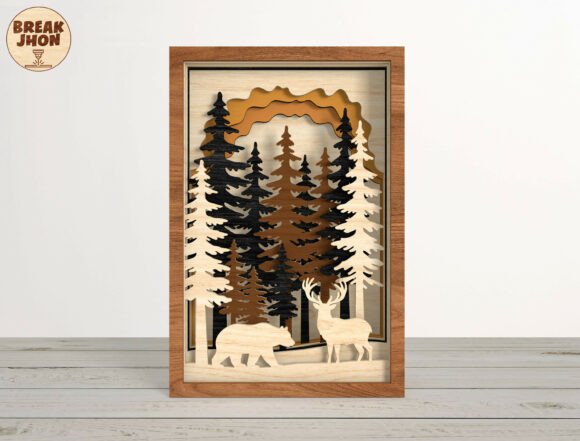
The intersection of digital design and tactile craftsmanship has never been more vibrant. For creators, small business owners, and hobbyists alike, the ability to transform flat digital files into dimensional art pieces represents a significant shift in how we approach home décor and gifting. At the heart of this movement is the 3D Forest Deer Shadow Box Laser Cut Svg, a design file that encapsulates the rustic charm of nature while leveraging modern laser cutting technology. This layered forest scene, featuring detailed pine trees, a majestic deer, and a bear silhouette, is not merely a pattern; it is a blueprint for creating depth and dimension inside a shadow box frame.
In an era where mass-produced items often lack soul, there is a growing appetite for handmade goods that tell a story. The appeal of this specific design lies in its multi-layered architecture. Unlike traditional two-dimensional wall art, this project invites the crafter to stack materials, creating a striking 3D effect that draws the eye inward. Whether utilized for cabin décor, nursery themes, or as a unique handmade gift, the result is a piece that feels organic, grounded, and deeply personal.
The Evolution of Layered Wall Art and Digital Fabrication
The popularity of shadow box art has evolved alongside advancements in accessible manufacturing technology. Decades ago, creating a multi-layered wooden scene required hours of hand-sanding, intricate chiseling, and precise assembly. Today, the workflow has shifted dramatically. With the advent of affordable desktop laser cutters and high-quality vector software, the barrier to entry for producing professional-grade wood crafts has lowered significantly. The 3D Forest Deer Shadow Box Laser Cut Svg exemplifies this evolution, offering a pre-engineered solution that ensures perfect alignment and intricate detail without the need for manual drafting.
This shift reflects a broader trend in the maker community: the desire for efficiency without sacrificing quality. Creators are no longer just cutting shapes; they are engineering experiences. The inclusion of multiple stacked layers in this design allows for subtle variations in lighting and shadow, mimicking the natural depth found in a real forest. As consumers become more discerning about the items they bring into their homes, they are gravitating towards pieces that offer visual complexity. A simple silhouette of a deer is pleasant, but a layered composition where the foreground trees overlap with a distant bear and a central stag creates a narrative that resonates on a deeper level.
Design Elements That Create Dimension
What makes this particular design stand out in a crowded market of digital downloads is its attention to compositional balance and layering logic. The scene is meticulously structured to guide the viewer's eye through the forest. The detailed pine trees serve as the framing elements, establishing the setting. Behind them, the majestic deer stands as the focal point, commanding attention with its posture and scale. Further back, the bear silhouette adds a sense of mystery and wilderness, completing the ecosystem.
The magic happens during the assembly process. By utilizing different thicknesses of material or staggering the distance between layers, crafters can manipulate light and shadow to enhance the three-dimensional illusion. This technique, known as parallax in other media, brings the static image to life. When mounted inside a shadow box frame, the layers create a tangible sense of space. The front layers might be stained dark to represent the dense undergrowth, while the background layers remain lighter, suggesting distance and sky. This contrast is crucial for achieving the "striking 3D effect" that defines high-end shadow box projects.
Material Selection and Finishing Techniques
While the digital file provides the roadmap, the choice of physical materials determines the final aesthetic. The versatility of the 3D Forest Deer Shadow Box Laser Cut Svg allows it to work beautifully with a variety of substrates. For those seeking a warm, rustic look, basswood and solid wood are excellent choices. Basswood is particularly favored by laser crafters because it cuts cleanly with minimal charring and accepts stains evenly. Solid wood, such as oak or maple, offers durability and a premium grain pattern that enhances the natural theme.
For projects requiring precision or a modern twist, MDF (Medium Density Fiberboard) and acrylic provide distinct advantages. MDF is ideal for painting, allowing for bold color contrasts that might not be possible with natural wood grain. Acrylic, when used for specific layers, can introduce transparency and light refraction, adding another dimension to the artwork. The recommended materials list—plywood, MDF, basswood, solid wood, and acrylic—highlights the flexibility of the design. A crafter might choose to use plywood for the structural backing and basswood for the decorative layers to balance cost and aesthetics.
Finishing techniques play a pivotal role in the final presentation. Natural wood finishes highlight the grain and texture, reinforcing the woodland theme. However, painted layers can add significant contrast. Imagine a scene where the background trees are painted in deep blues and purples to suggest twilight, while the deer remains in natural wood tones. This artistic freedom allows the creator to tailor the piece to specific interior design palettes, making it suitable for everything from a cozy cabin to a contemporary nursery.
Market Trends and Business Opportunities
For small business owners and entrepreneurs, the demand for personalized, high-quality home décor continues to rise. The "cottagecore" aesthetic and the enduring popularity of rustic interiors have created a robust market for woodland-themed items. The 3D Forest Deer Shadow Box Laser Cut Svg positions itself perfectly within this niche. It appeals to adults aged 20–50 who value authenticity and craftsmanship over fast fashion and disposable goods.
The digital download model is also a key factor in the current economic landscape. By purchasing a digital file rather than a physical product, buyers gain the ability to produce unlimited units, scaling their operations as needed. This aligns with the gig economy and the rise of the solopreneur. A single purchase of the SVG, DXF, EPS, AI, or PDF files enables a creator to sell finished products at craft fairs, online marketplaces like Etsy, or through local boutiques. The frame-friendly layout ensures that the final product is ready for retail display, reducing the time spent on post-production adjustments.
Furthermore, the versatility of the design expands its market reach. While it is marketed heavily for cabin décor and rustic home decoration, the neutral nature of the forest theme makes it equally appropriate for a woodland nursery. Parents looking for gender-neutral, nature-inspired art for their children's rooms find these designs particularly appealing. This dual-market potential increases the viability of the product for business owners looking to diversify their inventory without investing in new tooling or design assets.
Practical Implementation for Creators
Integrating this design into a creative workflow requires careful planning but offers substantial rewards. The first step involves selecting the appropriate file format based on the software being used. SVG and DXF files are generally preferred for laser cutting machines due to their compatibility with most control interfaces. EPS and AI files are better suited for further editing in vector graphics software if customization is required before cutting.
When preparing the layers, it is essential to test the nesting order. The design includes multiple stacked layers, and understanding which layer sits in front of another is critical for maintaining the intended perspective. A common mistake is reversing the order, which can flatten the image and destroy the depth effect. Creators should also consider the kerf—the width of the material removed by the laser blade—and adjust the design slightly if tight tolerances are necessary for interlocking parts.
Assembly is where the true artistry emerges. Using strong adhesives designed for wood, such as CA glue or epoxy, ensures that the layers remain securely bonded. The shadow box frame acts as the final protective element, keeping dust out and holding the layers in place. For those selling these pieces, packaging is equally important. The fragile nature of layered wood art requires sturdy shipping solutions to prevent damage during transit.
Why This Design Resonates Today
Ultimately, the enduring appeal of the 3D Forest Deer Shadow Box Laser Cut Svg lies in its ability to connect people with nature in a meaningful way. In a world increasingly dominated by screens and digital interactions, there is a profound comfort in bringing the outdoors inside. The sight of a deer standing among pine trees evokes memories of hiking trails, quiet mornings, and the serenity of the wild. This emotional connection transforms a simple craft project into a cherished keepsake.
As lifestyles shift towards valuing experiences and personal expression, the tools we use to create matter less than the stories we tell. This design provides the canvas for those stories. Whether it is a gift for a friend moving into a new cabin, a centerpiece for a child's room, or a statement piece for a living room, the layered forest scene offers a timeless elegance. It bridges the gap between traditional woodworking and modern digital fabrication, proving that technology can enhance, rather than replace, the human touch in art.
For the curious reader, the aspiring crafter, or the established business owner, exploring this type of project opens up a world of creative possibilities. It challenges us to think in three dimensions, to experiment with materials, and to refine our skills. The result is not just a picture on a wall, but a window into a world of depth, beauty, and tranquility.