Grandma Hugs Wood Sign Laser Cut File: A Practical Guide for Crafters and Creators
In the realm of digital crafting, the transition from a concept to a tangible product relies heavily on the quality of the source files. The Grandma Hugs Wood Sign Laser Cut File represents more than just a graphic design; it is a structured asset designed to streamline the creation of sentimental home decor. For professionals running small businesses, hobbyists looking to perfect their technique, or individuals planning a meaningful gift, understanding how to integrate this specific file into a production workflow is essential for achieving high-quality results. This resource bridges the gap between digital design and physical assembly, offering a layered approach that enhances the visual depth of wooden or acrylic projects.
Understanding the Design Architecture and Workflow Integration
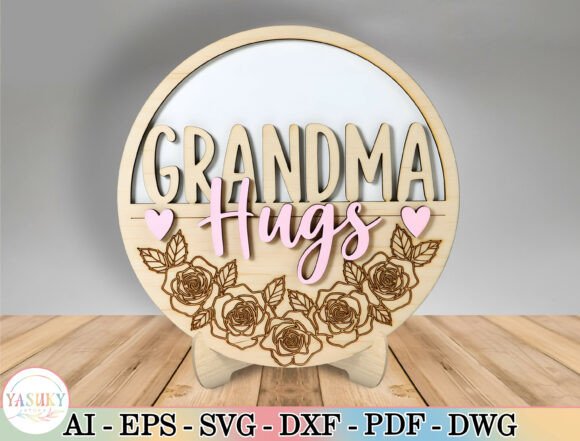
The core value of the Grandma Hugs Wood Sign Laser Cut File lies in its architectural complexity and compatibility with modern cutting machines. Unlike flat vector images, this design incorporates layered text and intricate engraving patterns that require a strategic approach during the setup phase. The "Hugs" text is engineered with multiple layers to create a soft 3D effect once assembled, while the surrounding floral engravings utilize clean lines optimized for precision cutting. Recognizing these structural elements before beginning a project allows creators to plan their material usage and machine settings effectively.
When integrating this file into a broader creative process, it serves as the foundational blueprint. Whether you are using a Glowforge, Xtool, Cricut, Silhouette, or a CNC machine powered by LightBurn software, the file acts as the central node around which your workflow revolves. The inclusion of various formats—AI, EPS, SVG, DXF, PDF, and DWG—ensures that the asset fits seamlessly into different software ecosystems. This versatility reduces friction during the import phase, allowing users to focus on execution rather than troubleshooting format compatibility issues.
Preparation and Material Selection Strategies
Successful implementation begins long before the laser turns on. Preparation involves selecting materials that complement the delicate nature of the engraved roses and the boldness of the layered text. For wood projects, birch plywood or basswood are often preferred due to their fine grain and ability to hold detailed engravings without charring excessively. Acrylic offers a modern alternative, providing a smooth surface that highlights the contrast between cut lines and etched details. The decision between wood and acrylic should be made based on the intended aesthetic and the recipient's preferences, as this choice dictates the subsequent steps in the manufacturing process.
Organizing your workspace is another critical factor. Since the Grandma Hugs Wood Sign Laser Cut File includes a round sign design with a stand, the layout requires careful nesting within the machine's bed to maximize material efficiency. Planning the placement of the main sign body, the stand components, and any decorative overlays prevents wasted material and ensures that all pieces are cut with consistent orientation. This stage of the workflow also involves testing the power and speed settings on scrap material. Because the design features both deep cuts for separation and shallow passes for engraving, a test run helps calibrate the machine to achieve the desired depth without burning through the substrate.
Execution: From Digital Vector to Physical Assembly
Once preparation is complete, the execution phase focuses on translating the digital vectors into physical components. The file's clean cut lines are designed to minimize post-processing, but attention to detail remains paramount. When importing the file into your cutting software, verify that the layers are correctly assigned. The "Hugs" text, intended for a 3D layered effect, may require separate cutting operations or specific color coding in the software to ensure the correct sequence of operations. Similarly, the elegant rose pattern must be set to an engrave mode with appropriate line spacing to capture the texture without over-saturating the material.
During the cutting process, monitoring the machine's performance is vital for quality control. Dust extraction systems should be active to prevent debris from interfering with the laser's path, particularly when working on the intricate floral details. After the machine completes its cycle, the assembly phase begins. This is where the practical utility of the design becomes apparent. The pre-designed layers allow for a straightforward stacking process, creating immediate visual depth. Adhesives suitable for the chosen material should be applied sparingly to avoid seeping out from between the layers, which could detract from the professional finish.
Optimizing for Business and Personal Goals
For entrepreneurs and small business owners, the Grandma Hugs Wood Sign Laser Cut File offers a scalable solution for producing inventory. The consistency of the design ensures that every unit produced meets a high standard of quality, which is crucial for maintaining brand reputation. By mastering the workflow associated with this file, creators can reduce turnaround times and increase output volume. The multi-format availability means that teams using different software platforms can collaborate without technical barriers, streamlining the production pipeline from design approval to final packaging.
On a personal level, this file supports goal-oriented crafting, such as preparing gifts for upcoming holidays like Mother's Day, Christmas, or birthdays. The emotional resonance of the design makes it a powerful tool for expressing sentiment, but the ease of use ensures that even beginners can achieve professional-looking results. The process encourages skill development in areas such as material handling, machine calibration, and finishing techniques. As crafters become more proficient with this specific design, they can apply those learned skills to other complex projects, expanding their overall capabilities.
Long-Term Usability and Quality Assurance
Sustainability and longevity are key considerations in any crafting workflow. The Grandma Hugs Wood Sign Laser Cut File is designed with durability in mind, utilizing robust vector paths that remain clear across different scales. However, the final product's lifespan depends on the finishing touches applied after assembly. Sealing the wood with a clear coat or applying edge banding to acrylic can protect the engraved details from wear and tear. These finishing steps are integral to the overall process and should be factored into the time and budget estimates for any project.
Furthermore, maintaining a library of successful settings and material combinations derived from using this file contributes to long-term efficiency. Documenting the optimal power levels, speeds, and focal points for different materials creates a reference guide that accelerates future projects. This systematic approach to documentation transforms a single creative task into a repeatable, reliable process. It ensures that the quality of the "Grandma Hugs" signs remains consistent, regardless of who is operating the machine or what specific batch of materials is being used.
Conclusion on Implementation and Value
The Grandma Hugs Wood Sign Laser Cut File exemplifies how well-structured digital assets can enhance the creative workflow. By providing a design that balances aesthetic appeal with technical precision, it empowers users to produce high-quality, sentimental gifts efficiently. Whether utilized in a commercial setting to drive sales or in a home studio to celebrate family bonds, the file serves as a reliable tool that integrates smoothly with existing equipment and methods. Its adaptability across various machines and materials, combined with its thoughtful layering and engraving details, makes it an invaluable resource for anyone committed to the art of laser cutting and crafting.