Cute Cube Alien: A 3D Model for Printing
In the crowded landscape of digital assets, finding a character that balances geometric precision with genuine charm is a rare feat. The Cute Cube Alien stands out as a prime example of how minimalist design can deliver maximum emotional impact. This isn't just another generic 3D model; it is a carefully crafted asset designed specifically for the unique demands of additive manufacturing while maintaining a high level of aesthetic appeal. For designers, hobbyists, and small business owners looking to expand their portfolio of physical collectibles, this model offers a compelling blend of structural integrity and kawaii-style whimsy.
The Visual Language of Geometric Charm
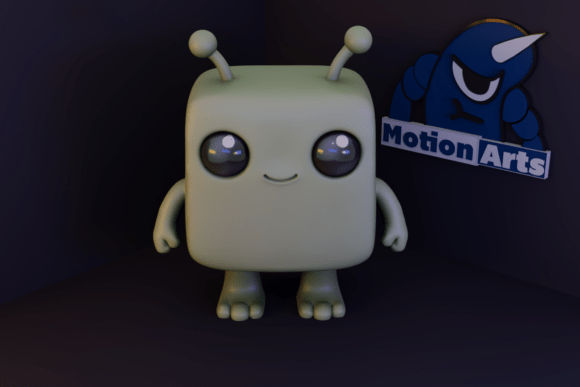
At first glance, the Cute Cube Alien appears deceptively simple. Its body is defined by a solid cube shape with softened, rounded corners, a technique often referred to in industrial design as "chamfering" or "filleting." This subtle rounding prevents the harshness of sharp edges, making the character feel approachable and friendly rather than robotic or rigid. The visual hierarchy is dominated by large, circular eyes and a simple, upturned smile, instantly communicating a personality that is curious and benevolent. Two small antennas crown the head, adding a touch of extraterrestrial flair without complicating the silhouette.
This design philosophy mirrors the principles found in modern typography where a clean sans serif font often conveys clarity and friendliness. Just as a well-chosen typeface can define a brand's voice, the geometric simplicity of the alien defines its character. The lack of intricate detailing ensures that the model remains recognizable even when printed at smaller scales, a crucial factor for miniature collectors and those creating decorative items for geek décor. The clean lines allow for creative customization, inviting makers to experiment with multi-color printing or post-processing techniques like painting and weathering.
Engineering for Stability and Printability
While aesthetics are paramount, the practical application of a 3D model cannot be overlooked. The Cute Cube Alien was developed with the specific constraints and opportunities of FDM (Fused Deposition Modeling) and resin printing in mind. The solid cube-shaped body provides an excellent base, ensuring stability on the print bed and reducing the risk of warping or detachment during the printing process. Unlike organic shapes that may require extensive support structures, this model leverages its geometry to minimize material waste and print time.
Structural simplicity does not mean fragility. The arms, feet, and antennas have been modeled with adequate thickness to withstand handling, ensuring the final product is durable enough to serve as a collectible toy or a desk accessory. However, because of the overhangs inherent in the antenna design and the positioning of the limbs, supports are required. This is a standard requirement for most articulated characters and is easily managed with modern slicing software. The need for supports actually adds value for beginners, offering a low-stakes opportunity to practice removing supports and refining surface finishes without the frustration of complex, interlocking mechanisms that often fail on first attempts.
Applications in Branding and Physical Merchandise
The versatility of the Cute Cube Alien extends far beyond personal hobbies. For entrepreneurs and marketers, this model represents a valuable asset in the realm of physical branding. In an era where digital presence is saturated, tangible items create a lasting impression. Imagine using this character as a mascot for a tech startup, a gaming community, or a creative agency. Its neutral yet expressive face makes it an ideal canvas for logo integration or color customization to match a specific brand identity.
Consider the potential for packaging design. A small, printed version of the alien could serve as a premium unboxing experience, acting as a seal or a standalone gift inside a product box. Similarly, in editorial design contexts, physical models can be used for photography shoots to illustrate concepts related to technology, space, or innovation. The model's cartoon style resonates well with audiences across age groups, making it suitable for family-friendly events, educational tools, or promotional giveaways. Its geometric nature also aligns perfectly with trends in modern typography and graphic design, where bold shapes and flat colors dominate the visual landscape.
Strategic Considerations for Creators and Collectors
When integrating the Cute Cube Alien into your workflow, whether for personal enjoyment or commercial gain, several factors deserve attention. First, evaluate the scale. Because the design relies on broad strokes rather than fine details, it translates exceptionally well from large display pieces down to keychain-sized charms. This scalability is a significant advantage for creators looking to offer tiered pricing or varied product lines.
Color selection plays a pivotal role in maximizing the model's appeal. While a single-color print works well for a monochromatic, sleek look, the segmented nature of the design—distinct head, body, and limbs—invites multi-material printing. Using contrasting colors for the eyes or antennas can dramatically enhance the character's expressiveness. For those exploring font pairing analogies in physical media, think of the body as the primary text and the accessories as the accent elements; they should complement, not compete.
Licensing is another critical component for professionals. If you plan to sell prints or use the character in a commercial campaign, ensure you have the appropriate rights. Many creators release models under licenses that permit personal use but restrict commercial sales. Always review the terms of use associated with the specific file source. Understanding these legal frameworks protects your business and respects the intellectual property of the original designer. Furthermore, testing the model on different printers and materials before committing to a batch production run is essential. Materials like PLA offer vibrant colors and ease of printing, while PETG provides greater durability for toys that will see heavy handling.
Final Thoughts on Design and Utility
The Cute Cube Alien exemplifies how thoughtful design can bridge the gap between digital files and physical reality. It proves that a model does not need to be hyper-realistic to be engaging; sometimes, the most memorable designs are those that embrace simplicity and charm. Whether you are a seasoned 3D artist looking for a quick win, a beginner eager to learn the ropes of slicing and support removal, or a business owner seeking a unique way to engage your audience, this model offers substantial value.
By combining a robust, printer-friendly structure with a universally appealing aesthetic, it serves as more than just a file—it is a tool for creativity, connection, and expression. As the market for 3D printed goods continues to grow, assets like this will remain staples for those who understand that the best design solutions are often the ones that are both functional and fun.