Cute Cat Bookmark STL 3D Models for Easy 3D Print: A Guide to Kawaii Desk Accessories
In the evolving landscape of personal workspace customization, the intersection of digital fabrication and aesthetic appeal has created a new niche for hobbyists and creators. Among the most popular designs emerging in this space are Cute Cat Bookmark STL 3D Models for Easy 3D Print. These digital files represent more than just a utility; they embody a minimalist approach to design that prioritizes both function and emotional resonance. For those interested in 3D printing, whether as a casual pastime or a small business venture, understanding the nuances of these specific models offers valuable insight into efficient printing workflows and market trends.
The Appeal of Minimalist Kawaii Design
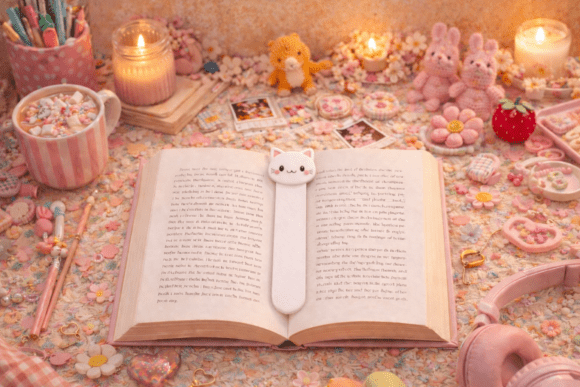
The design philosophy behind the kawaii cat bookmark is rooted in simplicity. Unlike complex mechanical parts or highly detailed figurines that require support structures and extensive post-processing, these bookmarks utilize a flat, 2D profile with smooth geometry. The design typically features a sweet, rounded cat face with tiny whiskers and a long, slim body. This form factor is not merely an aesthetic choice; it is a strategic engineering decision that facilitates a seamless sliding action between book pages.
This minimalist approach aligns perfectly with the broader "kawaii" aesthetic, which emphasizes cuteness and charm without overwhelming visual clutter. The clean lines and lack of intricate overhangs make the model exceptionally friendly for 3D printers. When users download Cute Cat Bookmark STL 3D Models for Easy 3D Print, they are acquiring a file that respects the limitations of consumer-grade hardware while maximizing the potential for a polished finish. The absence of complex internal structures means that the print head can move smoothly, reducing the risk of layer shifting or nozzle clogging.
Technical Advantages for Beginners and Pros
One of the primary reasons these models have gained traction is their accessibility. For beginners entering the world of additive manufacturing, the learning curve can be steep. However, a single-color design with a flat structure removes many of the common barriers to entry. There is no need to master support generation or worry about bridging gaps. The simple, smooth surfaces ensure that the final product looks professional immediately after removal from the build plate.
From a technical standpoint, these models are ideal for PLA (Polylactic Acid) filaments. PLA is known for its ease of use, low warping, and wide variety of colors. The thin profile of the cat bookmark allows for rapid printing times, often completing a job in under an hour depending on the printer speed and infill settings. This efficiency makes it an excellent project for testing new filament spools or calibrating printer settings. Even matte filaments, which are increasingly popular for their premium feel, perform well with this geometry, resulting in a soft-touch finish that enhances the tactile experience of reading.
Material Selection and Color Considerations
While the design is inherently single-color, the choice of material can significantly alter the final presentation. Standard PLA in pastel shades—such as soft pink, baby blue, or lavender—complements the kawaii theme perfectly. However, for a more sophisticated look, matte black or white filaments can provide a stark, modern contrast that appeals to a different demographic. It is important to note that multi-color effects are not achieved through the STL file itself but require manual intervention in the slicing software or physical painting post-print.
For those wishing to create a multi-colored effect, such as a striped body or distinct facial features, the workflow involves pausing the print at specific layers to change filament colors. Alternatively, the clean surface of the printed object serves as an excellent canvas for acrylic paints or markers. This flexibility allows creators to customize each piece, adding a unique touch that mass-produced items cannot replicate.
Practical Applications and Use Cases
The utility of these bookmarks extends beyond simple page marking. They serve as versatile desk accessories that enhance the overall atmosphere of a workspace. For students, having a personalized, cute bookmark can make the act of studying slightly more enjoyable, turning a mundane task into a moment of delight. Educators often find that such small tokens of appreciation or classroom rewards resonate well with younger audiences who appreciate the playful nature of the design.
In a professional setting, these items can function as thoughtful corporate gifts or swag items. A company might choose to print these bookmarks in their brand colors to distribute at conferences or as client thank-you notes. The compact size ensures they are easy to ship or hand out, while the high-quality finish reflects well on the brand. Furthermore, for individuals running Etsy shops or local craft fairs, these bookmarks represent a low-risk inventory item. The fast print time allows for quick production runs, enabling sellers to respond rapidly to seasonal demand or trending colors.
Integration into Broader Collections
Many enthusiasts do not stop at a single bookmark. The modular nature of the design encourages the creation of collections. Imagine a set of five different colored cats, each representing a different mood or season. Or perhaps a matching set that includes a cat-shaped pen holder or a phone stand. The consistency in style across these items creates a cohesive aesthetic for a desk setup. This approach is particularly effective for content creators on platforms like TikTok or Instagram, where visual consistency helps build a recognizable personal brand.
The adaptability of the Cute Cat Bookmark STL 3D Models for Easy 3D Print also makes them suitable for educational demonstrations. Teachers introducing students to CAD and 3D printing can use these models to demonstrate concepts like slice orientation, infill density, and surface finish. Because the results are visually appealing even when printed by novices, they serve as excellent motivational tools for STEM education.
Commercial Viability and Licensing
For entrepreneurs looking to monetize their 3D printing skills, understanding the licensing terms is crucial. The availability of commercial use rights for these specific models opens up significant opportunities. Creators are permitted to sell the physical prints of the design, allowing them to generate revenue from their hobby equipment. This is a vital distinction in the digital marketplace, where intellectual property rights can often be restrictive.
However, there are clear boundaries regarding the distribution of the digital file itself. Reselling, sharing, or distributing the STL file is strictly prohibited. This protects the original designer's work while still empowering makers to produce and sell tangible goods. This model supports a sustainable ecosystem where designers are compensated for their creativity, and makers are empowered to build businesses around physical production.
When marketing these products, it is essential to highlight the handmade nature of the item. Customers purchasing 3D printed goods often value the story behind the product—the fact that it was created locally, perhaps even customized to their specifications. Emphasizing the use of high-quality materials like PLA or matte filament can further justify the price point and attract customers looking for premium, eco-friendly alternatives to plastic injection-molded goods.
Workflow Optimization for High-Volume Production
For those scaling up production, optimizing the workflow is key to maintaining profitability. Since the design is flat and simple, it can be printed in batches. By arranging multiple bookmarks on the build plate, printers can maximize material usage and reduce the energy cost per unit. Slicing software can be configured to nest these objects tightly, ensuring minimal travel time for the print head.
Post-processing is another area where efficiency can be gained. Due to the smooth geometry, these bookmarks often require little to no sanding. If support structures were used (though rarely necessary), they detach cleanly. This reduces labor time significantly, allowing producers to focus on packaging and customer service. Packaging should reflect the delicate nature of the product; a simple poly mailer with bubble wrap is often sufficient, keeping shipping costs low.
Quality Control and Consistency
Maintaining quality control is essential when selling finished products. Regular calibration of the 3D printer ensures that dimensions remain consistent and that the surface finish meets expectations. Checking for stringing, oozing, or layer adhesion issues before removing the batch can prevent wasted materials and time. Additionally, offering a range of finishes, such as glossy versus matte, can cater to different customer preferences and expand the market reach.
Conclusion on Digital Fabrication Trends
The rise of Cute Cat Bookmark STL 3D Models for Easy 3D Print illustrates a broader trend in digital fabrication: the democratization of design and manufacturing. What was once the domain of industrial engineers is now accessible to anyone with a desktop printer. These models exemplify how simple, well-thought-out designs can bridge the gap between functionality and art. Whether used as a personal accessory, a teaching tool, or a commercial product, the kawaii cat bookmark stands as a testament to the power of 3D printing to bring joy and utility to everyday life.
As technology continues to advance, we can expect to see even more innovative uses for these types of digital assets. The ability to instantly download a file and transform it into a physical object within hours offers a level of immediacy and customization that traditional manufacturing cannot match. For the curious maker, the student, or the aspiring entrepreneur, exploring these models provides a gateway into a creative and rewarding world of possibilities.