3d Tribal Fox Head SVG Layered Design: A Workflow Guide for Creators
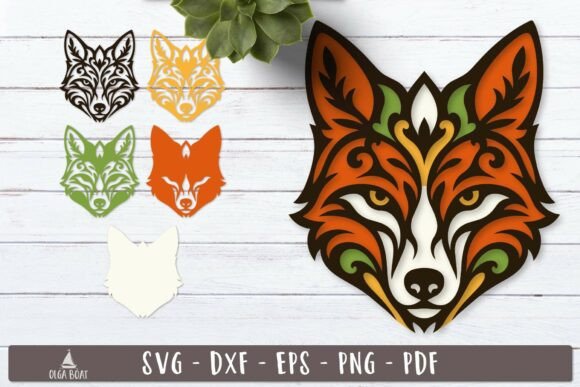
In the realm of digital crafting and design, the distinction between a simple vector image and a strategic asset often lies in its versatility. The 3d Tribal Fox Head SVG Layered Design represents more than just a decorative graphic; it is a structured resource designed to integrate seamlessly into complex production workflows. This specific design features an intricate layered architecture, combining bold decorative swirls with detailed woodland-inspired elements to create depth without requiring manual reconstruction. For professionals managing tight deadlines and hobbyists seeking high-quality outputs, understanding how to leverage this asset within a broader creative process is essential for maximizing efficiency and maintaining quality control.
Understanding the Asset Structure and Its Role in Production
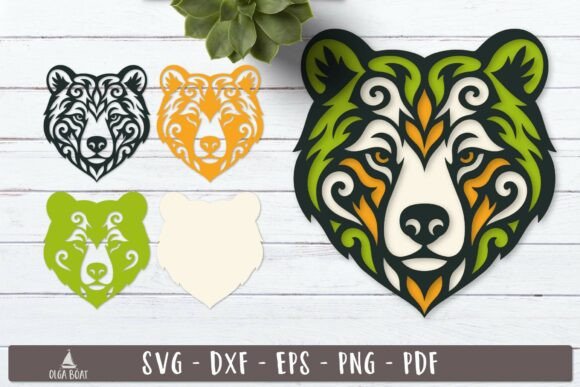
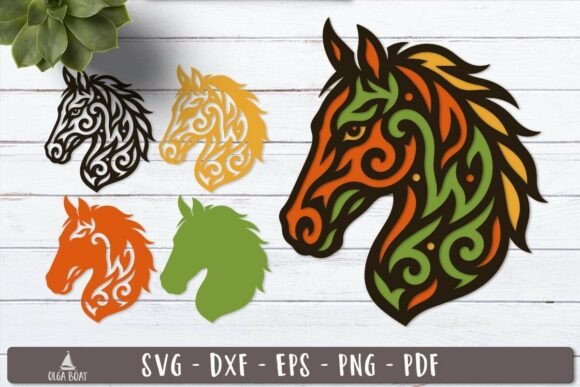
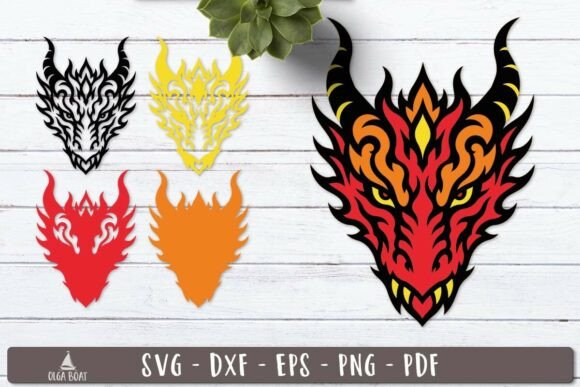
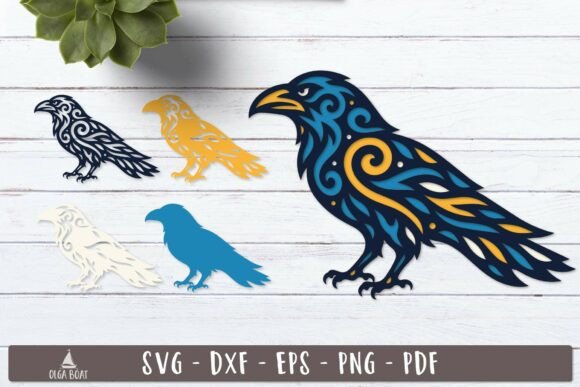
Before integrating any digital file into a project, it is critical to understand its technical composition. The 3d Tribal Fox Head SVG Layered Design is engineered to function as a multi-component system rather than a single flat image. The "layered" aspect refers to the internal organization of the vector data, where distinct elements—such as the fox's facial features, the surrounding tribal patterns, and the background swirls—are separated into individual groups or layers. This structural integrity allows users to manipulate specific components independently during the design phase.
This separation is vital for the execution of projects requiring customization. When working with cutting machines like Cricut or Silhouette, a flat image often necessitates the use of weeding tools to remove excess material after cutting. However, a properly layered design enables the user to assign different colors or materials to specific sections before the cut even begins. By utilizing the native layering capabilities, creators can streamline the production process, reducing post-production time and minimizing material waste. The inclusion of bold decorative swirls and woodland motifs adds aesthetic complexity that would otherwise require hours of manual drawing in vector software.
Preparing Your Workflow Before Implementation
Successful integration of the 3d Tribal Fox Head SVG Layered Design begins with preparation. Whether you are launching a small business line of wall decor or creating a one-off handmade gift, the pre-production phase dictates the final outcome. The first step involves verifying your software compatibility. Since the asset package includes multiple formats—EPS 10, PNG, PDF, DFX, and SVG—you must select the appropriate file based on your specific hardware and software stack.
- SVG Files: Ideal for most modern cutting machines and web-based design platforms. They maintain scalability and editability.
- EPS 10 Files: Best suited for professional desktop publishing software like Adobe Illustrator, allowing for deep vector manipulation.
- DFX Files: Specifically optimized for Silhouette Cameo and Portrait machines, ensuring direct import without conversion errors.
- PNG Files: Useful for print-on-demand services or digital mockups where rasterization is required.
- PDF Files: Excellent for printing at high resolutions or sharing specifications with collaborators.
Once the correct format is selected, organize your workspace. Extract the files from the provided ZIP archive into a dedicated project folder. This organizational step prevents file versioning issues and ensures that all assets remain accessible throughout the project lifecycle. If you are collaborating with a team or outsourcing parts of the production, having a standardized folder structure reduces communication friction and ensures everyone is working with the same source files.
Executing the Design: From Concept to Cut
During the active creation phase, the 3d Tribal Fox Head SVG Layered Design serves as the foundation for various applications. For wall decor enthusiasts, the layered nature of the file allows for the creation of dimensional art. By cutting each layer from different colored cardstock or vinyl, you can build up a three-dimensional effect that mimics the depth suggested by the 3D tribal styling. This method transforms a standard 2D cut into a premium product suitable for gallery-style displays or home interiors.
The workflow for executing this design typically follows a logical sequence:
- Import and Inspect: Load the file into your design software. Verify that all layers are intact and that no paths are merged unintentionally.
- Color Assignment: Assign distinct colors to each layer to visualize the final composition. This step helps in planning material usage and cost estimation.
- Size Adjustment: Scale the design to fit your intended medium. Because the file is vector-based (in SVG, EPS, and DFX formats), you can resize it infinitely without losing the crispness of the intricate swirls or woodland details.
- Mate Selection: Choose materials that complement the tribal aesthetic. Textured papers, metallic foils, or patterned vinyls can enhance the visual impact of the bold decorative elements.
- Cutting and Weeding: Execute the cut. With a layered design, weeding is significantly faster as you only need to remove negative space around individual components rather than a solid block.
For entrepreneurs producing handmade gifts, this process can be batched. Once the design parameters are set, you can produce multiple units simultaneously, ensuring consistency across your inventory. The precision of the vector lines ensures that every piece maintains the high quality expected by discerning customers.
Integrating with Broader Business and Creative Systems
The utility of the 3d Tribal Fox Head SVG Layered Design extends beyond the immediate act of cutting. It interacts with other resources and decisions within a larger business ecosystem. For instance, when planning a seasonal marketing campaign, this asset can be used across multiple channels. The PNG version can be utilized for social media graphics, while the SVG drives physical product creation. This cross-platform adaptability maximizes the return on investment for a single digital purchase.
Furthermore, the design fits naturally into educational contexts. Educators teaching graphic design or digital fabrication can use the file to demonstrate concepts such as layer management, vector vs. raster differences, and color theory. The complexity of the tribal patterns provides an excellent case study for discussing how intricate details are preserved through scaling and how different file formats serve different purposes in a production pipeline.
From a quality control perspective, using a professionally prepared layered file reduces the risk of human error. Manual tracing or redrawing of complex designs often introduces imperfections that compromise the final product. By relying on a pre-optimized asset, creators ensure that the output remains consistent, meeting the standards required for professional presentation. This reliability is crucial for freelancers and small business owners who cannot afford reputational damage due to subpar craftsmanship.
Long-Term Usability and Strategic Planning
Looking toward long-term use, the 3d Tribal Fox Head SVG Layered Design offers enduring value. As trends shift and new materials become available, the versatility of the layered format allows for easy adaptation. You might start with vinyl decals but later transition to laser-cut wood or fabric appliqué. The underlying structure remains valid regardless of the medium, making it a sustainable asset for your creative library.
To maintain efficiency over time, establish a naming convention for your saved projects. When you modify the original design for a specific client or project, save the new version with a descriptive name (e.g., "Fox_Tribal_Blue_Variant_v1") rather than overwriting the master file. This practice preserves the original integrity of the asset, allowing you to revert to the base design for future projects without needing to repurchase or reconstruct the file.
Additionally, consider the storage and backup of these files. Since the package is delivered in a ZIP archive containing five distinct file types, ensure that this archive is backed up in a cloud storage solution. This safeguards against data loss and ensures that you always have access to the source files, regardless of your local hardware status. In a professional setting, this level of diligence reflects a commitment to operational excellence and risk management.
Conclusion on Process Integration
The 3d Tribal Fox Head SVG Layered Design is a powerful tool that, when understood and applied correctly, elevates the entire creative workflow. It bridges the gap between conceptual design and physical execution, offering a streamlined path from idea to finished product. By leveraging its layered architecture, diverse file formats, and intricate aesthetic details, creators can achieve professional results with greater speed and consistency. Whether you are a seasoned entrepreneur scaling a product line or a hobbyist refining your craft, integrating this asset into your routine enhances both the quality of your work and the efficiency of your processes. The key lies not just in owning the file, but in mastering the workflow that brings its potential to life.